Emergency Treatment



Not every toothache requires an emergency room visit, but some dental problems do need prompt attention to prevent lasting damage. Severe, persistent pain, uncontrolled bleeding, facial swelling, or a knocked-out tooth are all signs that you should see a dentist as soon as possible. If you’re experiencing difficulty breathing or swallowing alongside oral symptoms, seek emergency medical care first — airway and systemic concerns take priority over dental treatment.
Other situations that warrant quick dental attention include sudden changes in how a tooth fits together when you bite, a crown or filling that has come completely off, or intense sensitivity that won’t respond to over-the-counter pain relief. Acting quickly can preserve natural tooth structure, reduce the chance of infection spreading, and improve the odds of successful repair. Delaying care often turns a manageable issue into a more complex procedure.
Our goal with emergency treatment is to relieve pain, stabilize the problem, and preserve your long-term oral health whenever possible. The practice will evaluate the urgency of your situation and advise the most appropriate next steps, whether that is immediate in-office care or a short-term stabilization followed by definitive treatment.
When you arrive for an emergency visit, the first priority is a focused clinical assessment. That begins with a clear account of symptoms — how long the problem has persisted, what makes it better or worse, and any relevant medical history. A visual exam and targeted imaging, such as intraoral photos or digital x-rays, help the clinician pinpoint the source of pain or structural damage quickly and accurately.
Initial treatment often centers on comfort and containment: controlling pain and swelling, stopping bleeding, and stabilizing broken or loose teeth. Depending on the situation, this may involve short-term measures like applying a temporary restoration, prescribing or recommending antimicrobial rinses, or using local procedures to reduce inflammation. These steps are designed to buy time when definitive restoration requires additional planning.
Throughout assessment and triage, communication is key. The dental team will explain what they’re seeing in plain language, outline the available treatment paths, and identify which procedures can happen right away versus those that should be scheduled. This transparent approach helps you make informed choices while your symptoms are addressed efficiently.
Dental emergencies come in many forms. Some are traumatic — a sports injury that chips or dislodges a tooth — while others develop from infection or neglect, such as an abscess that produces severe pain and swelling. Recognizing the difference helps determine whether immediate surgical, restorative, or endodontic care is required.
For each of these issues, the practice focuses on timely diagnosis and the least invasive path to relief. For example, a small chip may be smoothed and restored with bonding on the spot, while a deeply infected tooth may require root canal therapy or extraction followed by a plan for replacement. When soft-tissue lesions are present, the team will evaluate for infection or other causes and provide appropriate treatment or referral.
Treatment depends on the underlying cause and the tooth’s structural integrity. Minor damage can often be repaired with bonding or a new filling, whereas a severely fractured tooth may need a crown to restore form and function. If the tooth’s pulp — the inner nerve tissue — is inflamed or infected, root canal treatment is a widely used, reliable option to save the natural tooth and stop pain.
In some cases, extraction is the most appropriate immediate solution, particularly when a tooth is non-restorable or represents an ongoing source of infection. When a tooth is removed, modern replacement options exist that restore chewing function and appearance; these include implants, fixed bridges, and removable dentures. The practice handles many of these restorative steps in-house to shorten your treatment timeline and reduce the need for outside referrals.
Pain control and infection management are central to emergency care. The clinician may recommend or prescribe appropriate medications, perform drainage of localized abscesses when necessary, and apply protective restorations that allow you to function comfortably while longer-term planning is underway. Sedation options are available for patients who need additional help managing anxiety during urgent procedures.
If you can, bring any displaced teeth or fragments in a clean container with milk or saline; placing a knocked-out tooth back in its socket quickly — ideally within an hour — gives the best chance of reimplantation. Also bring a list of current medications and any significant medical history. When you arrive, the team will prioritize immediate care and then discuss next steps, expected recovery, and follow-up appointments.
Aftercare is an important part of recovery. The practice will provide instructions for home care that may include gentle rinsing, temporary dietary adjustments, and guidance on managing swelling and discomfort. Follow-up visits allow the team to monitor healing, remove temporary restorations if placed, and complete definitive treatment such as a crown or implant placement when appropriate.
If complications like recurring pain, fever, or increased swelling occur after treatment, contact the office promptly so the team can reassess and adjust care. Timely follow-up reduces the likelihood of recurrent problems and helps preserve your oral health over the long term.
When urgent oral care is needed, the office of Alta Dental is prepared to act quickly, comfort you, and plan for reliable outcomes. If you have questions about emergency services or want to know what to do next in a specific situation, please contact us for more information.

Pain is your body's way of signaling that something is not quite right and though there are many reasons for oral pain, one of the most common complaints and reasons for seeking urgent dental care is a toothache. Whether you simply need a dental filling, a crown, or require a root canal procedure to save your tooth, we'll alleviate your discomfort and restore the look and function of the involved tooth.

Dental trauma can result in a defect as minor as a small chip in tooth enamel to a more extensive and painful crack or fracture. With sufficient force, a tooth can even be displaced or completely knocked out of its socket. With prompt emergency care, many injured teeth can be restored and saved.
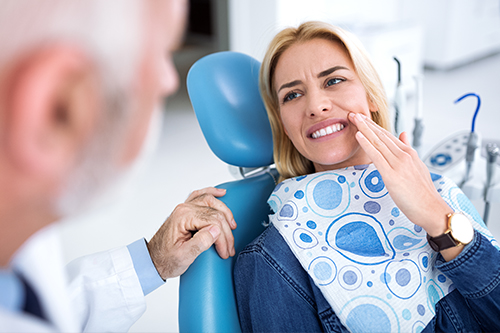
The last teeth in your mouth to develop, wisdom teeth often do not have enough room to fully erupt or may be positioned in the wrong direction. These issues can affect your dental health as well as overall well-being. Our office provides skilled care to address the complications caused by problematic wisdom teeth.
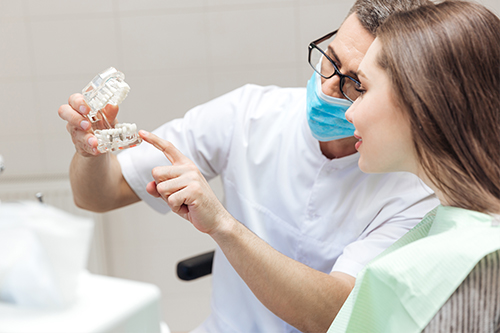
A broken or lost dental prosthesis or restoration can cause embarrassing gaps in your smile as well as compromise your ability to eat and speak with ease. If you've lost or broken a dental filling, denture, crown, or other dental appliance, you can rely on our office to perform a prompt repair or provide a durable and cosmetically pleasing replacement as quickly as possible.
At the office of Alta Dental, emergency appointments are always available. Of course, in addition to providing top treatment for dental emergencies, we also welcome patients searching for high quality and affordable care. We offer a complete range of the latest and best cosmetic and dental services for every member of your family.
If you are suffering from a toothache or have sustained a dental injury, it is important to visit the dentist as soon as possible before more serious complications arise. Whether your dental emergency is painful, if it affects the appearance of your smile, or if you suspect that an infection is present, our office will make every effort to see you as promptly as possible for care.
At the office of Alta Dental, we treat your dental emergency as our top priority. Our caring team will respond to your emergency call right away, making sure you get the gentle, state-of-the-art care you need without delay.
As your trusted emergency dentist in ChicagoChicago, we provide the highest quality of care to mitigate the stress, anxiety, and discomfort of dental problems. Our dedicated team will help you start feeling better as soon as we receive your emergency call.
At the office of Alta Dental, we provide skilled and experienced care to effectively resolve a broad range of dental emergencies, restoring a patient's oral health while protecting their overall wellbeing.
However, even so, specific dental emergencies pose significant threats to one's health. These situations require immediate, emergency room care. Serious and potentially life-threatening dental emergencies include significant oral and facial trauma such as jaw fractures, deep wounds or lacerations to the face and mouth, an abscess or infection that causes widespread facial or submandibular swelling, or affects breathing and swallowing.
At the office of Alta Dental, we provide prompt, skilled, and experienced care to address dental emergencies. We understand that finances are always a concern and do our best to provide options in care that are both affordable and respect your budget.
Once we've had the opportunity to examine your smile, we can give you a clear picture of any existing dental issues, along with a quote for what the cost of treatment will be. The cost of care all depends upon the extent and complexity of issues affecting the health or appearance of your smile and the types of procedures that are required.
To help alleviate any additional stress or delay, you can count on our staff to work with you to optimize coverage for your dental care and to minimize your out-of-pocket expenses. For patients without insurance, we strive to make things easier as well! We invite you to visit our financial information page or speak to an expert in our business office.
Dental emergencies are often painful and debilitating experiences. For this reason it's important to have an emergency dentist in ChicagoChicago, who welcomes patients with urgent dental needs while providing the prompt care required to restore oral health.
Here are just some of the reasons why so many patients choose our office for emergency dental care and to meet their family's dental needs:
We're dedicated to helping patients enjoy good oral health and beautiful smiles. We look forward to helping you keep your smile in tip-top condition. You can rest assured that our highly skilled office team will provide you the highest quality of state-of-the-art dental care and have you smiling again in no time!
To make an appointment or for more information on our office and the many state-of-the-art services we provide, give us a call today.
Not every toothache requires urgent treatment, but certain signs mean you should be seen as soon as possible. Severe, persistent pain that does not respond to over-the-counter relief, uncontrolled bleeding, visible facial swelling, or a tooth that has been completely knocked out are all reasons to seek immediate dental attention. If you are having difficulty breathing or swallowing along with oral symptoms, seek emergency medical care first because airway and systemic issues take priority.
Other situations that typically need prompt evaluation include a sudden change in how your teeth meet when you bite, a crown or filling that has come off entirely, or intense sensitivity that persists. Acting quickly preserves natural tooth structure, reduces the risk of spreading infection, and improves the chance of a successful repair. Delaying care often turns a manageable problem into a more complex procedure requiring additional visits.
Time is critical when a tooth is avulsed and quick, careful action can make reimplantation possible. Handle the tooth by the crown only, rinse it gently with clean water if dirty, and try to reposition it in the socket if you can do so without forcing it; otherwise store it in a clean container with milk or saline. Avoid scrubbing or scraping the root and do not wrap the tooth in tissue, which can damage the ligament cells that aid reattachment.
Seek emergency dental care immediately, ideally within an hour, so the clinician can evaluate the tooth and attempt reimplantation or provide appropriate stabilization. Bring the tooth and a list of current medications to your visit, and be prepared for imaging and a focused exam to determine the best next steps. The faster you arrive, the higher the chance of saving the natural tooth.
Emergency management begins with a focused assessment to identify the source of pain and any signs of systemic involvement. Clinicians use a detailed history, visual exam, and targeted imaging such as digital x-rays to determine whether the problem is pulpal, periodontal, traumatic, or related to a restorative failure. Immediate goals are pain relief, infection control, and stabilization of the affected area.
Treatment may include local anesthesia, starting or completing root canal therapy when appropriate, extracting a non-restorable tooth, or draining and irrigating a localized abscess. If there are signs of spreading infection or fever, the clinician may prescribe antibiotics and closely monitor progress. Follow-up appointments are scheduled to complete definitive care and restore long-term function.
Your emergency visit will begin with a quick triage to assess how urgent the situation is, followed by a focused clinical exam and any necessary imaging. The team will ask about symptom onset, what makes the problem better or worse, and pertinent medical history to guide safe treatment choices. Communication is a priority: clinicians will explain findings in plain language and outline immediate options to control pain and stabilize the problem.
Initial care often concentrates on comfort and containment, which can include temporary restorations, protective dressings, drainage of abscesses, or beginning endodontic therapy. The dentist will also advise on home care and any medications needed, and will clearly describe whether definitive restoration can occur that day or should be scheduled later. If sedation is appropriate for anxiety or complexity, options will be discussed.
Providers prioritize threats to life and airway first, so any difficulty breathing, severe swelling compromising the airway, or signs of systemic infection should prompt emergency medical care before dental treatment. For dental-only concerns, clinicians triage based on pain severity, risk of infection spread, ability to preserve natural tooth structure, and potential for rapid deterioration. This triage helps ensure patients with the most time-sensitive needs are seen quickly.
The dental team will coordinate with medical providers when systemic issues are present and will stabilize oral problems once it is safe to do so. In many cases, immediate measures are taken to control pain and infection while definitive treatment is planned for a follow-up visit. The office staff will explain why a particular pathway is recommended and what to expect next.
Many urgent issues can be managed in a single visit with the goal of relieving pain and stabilizing the situation. Small chips and fractures can frequently be smoothed and repaired with bonding, a lost crown or filling can often be recemented or temporarily restored, and superficial soft-tissue injuries can be sutured or dressed. For localized infections, drainage and initiation of appropriate antimicrobial therapy can bring rapid symptom relief.
More involved procedures such as full crown restorations or complex implant work may need additional planning, but some practices offer same-day restoration options that shorten the overall timeline. When immediate definitive care is not appropriate, clinicians place protective temporaries and arrange timely follow-up for completion. Your dentist will outline which steps can be done now and which require scheduling.
Extraction becomes the best immediate option when a tooth is non-restorable, when it represents a persistent source of severe infection, or when it poses an imminent risk to surrounding tissues or overall health. Teeth with extensive vertical root fractures, advanced decay that leaves insufficient structure for restoration, or infections that do not respond to conservative measures may require removal. The decision balances the goal of preserving natural teeth with the need to protect the patient's health.
When a tooth is removed, clinicians discuss reliable replacement pathways and a timeline for restorative options such as implants, bridges, or removable prostheses. Handling restorative steps in-house, when available, helps streamline care and reduce the number of separate appointments. Follow-up visits focus on healing, monitoring for complications, and beginning definitive restoration when appropriate.
For active bleeding, apply firm, direct pressure with clean gauze or a tea bag for 10 to 20 minutes without changing the dressing frequently, since constant removal can prevent clotting. To control swelling, apply a cold compress to the outside of the cheek in 15-minute intervals during the first 24 hours, then switch to warm, moist heat if advised by your clinician. Avoid rinsing vigorously or probing the wound with fingers or instruments, and do not use aspirin directly on the site because it can increase bleeding.
Bring a list of current medications and any displaced teeth or fragments in a clean container with milk or saline if possible. Seek prompt evaluation if bleeding does not slow with pressure, if swelling increases rapidly, if you develop fever, or if you have uncontrolled pain. Clear communication about your symptoms and medical history helps the team provide safe, effective emergency care on arrival.
Yes, many broken or lost crowns and fillings can be temporarily or permanently addressed during an emergency appointment depending on the extent of damage. If the restoration itself is intact, it may be recemented; if it is compromised, the dentist can place a protective temporary restoration to prevent further damage and sensitivity. In cases of minor chipping, smoothing and bonding often restore form and function quickly.
Definitive crown work may require impressions or digital scans and either lab fabrication or same-day milling when available, which reduces the overall restoration timeline. Alta Dental offers same-day crown technology in select locations, which can allow a permanent restoration to be completed in a single visit when clinically appropriate. Your dentist will explain whether a same-day finish or staged approach best suits your situation.
Preventive care is the most effective way to reduce dental emergencies: maintain consistent brushing and flossing, keep regular dental checkups, and address small problems before they worsen. Use protective gear such as custom mouthguards for contact sports or night guards if you grind your teeth, since trauma and wear are common causes of sudden failures. Managing dental anxiety and scheduling care early can also prevent neglect that leads to acute issues.
Be proactive about oral health by reporting new pain, looseness, or changes in bite promptly so the team can intervene before a situation escalates. Keep a small emergency kit at home with gauze and a container for displaced teeth or fragments, and know how to handle a traumatic injury until you can see a clinician. Preparedness and early action improve outcomes and preserve natural teeth whenever possible.
Book a visit at our Midway or Pilsen office and take the first step toward a healthier, more confident smile.
